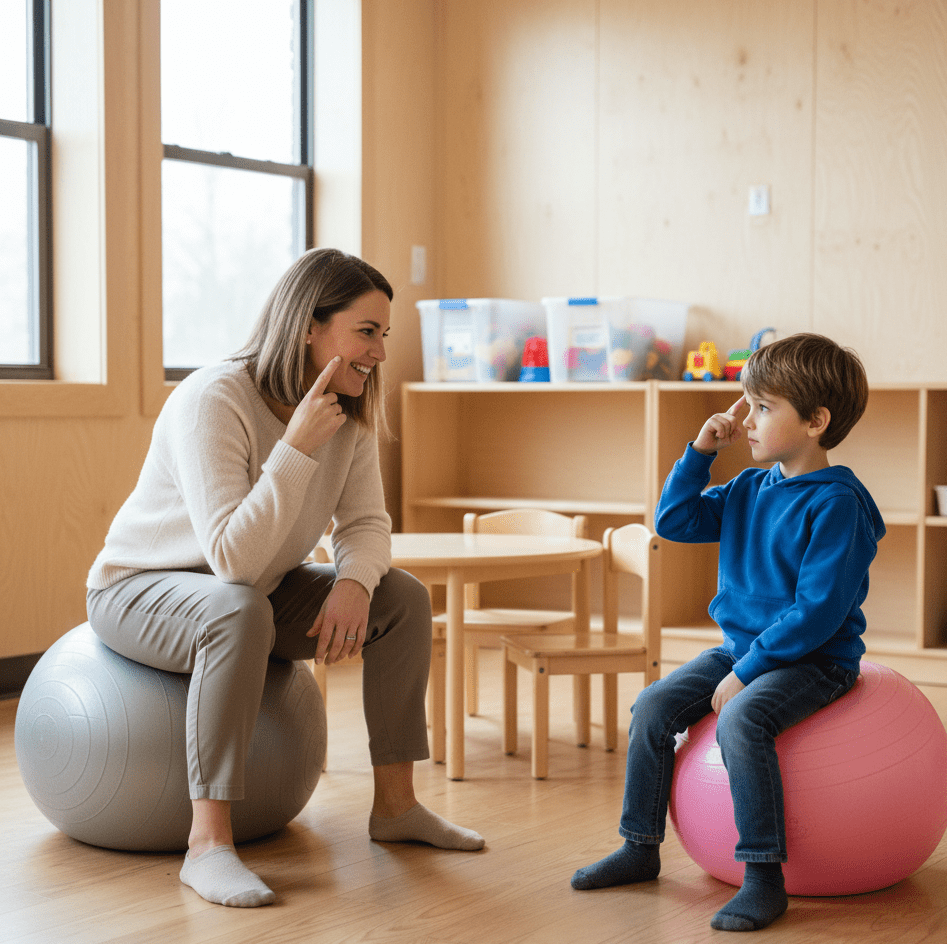

Applied Behaviour Analysis (ABA) is one of the most widely recognized and evidence-based therapies for children with autism. ABA therapy focuses on improving communication, social skills, and behavior by using structured interventions tailored to each child’s needs. In Toronto and the Greater Toronto Area (GTA), families seeking autism support often turn to ABA therapy for its ability to foster meaningful progress in children with Autism Spectrum Disorder (ASD).
At Pathways Centre in Burlington, we specialize in ABA therapy, using proven strategies to help children reach their developmental milestones. Whether your child is working on language skills, social interaction, or managing challenging behaviors, ABA therapy offers structured and individualized support.
Here are 10 essential roles ABA therapy plays in the treatment of autism and how it can make a life-changing impact for children and their families.
Improving Communication Skills
One of the most significant benefits of ABA therapy is its role in enhancing communication skills. Many children with autism struggle with verbal and non-verbal communication, making it challenging for them to express their needs and emotions. ABA therapists use techniques such as manding (requesting), prompting, and reinforcement to help children develop essential language skills.
For non-verbal children, ABA therapy may incorporate alternative communication methods, such as Picture Exchange Communication System (PECS) or Augmentative and Alternative Communication (AAC) devices. Autism Ontario provides additional resources for parents looking to support their child’s communication development.
Enhancing Social Skills and Peer Interaction
Children with autism often find social interactions challenging, making it difficult to engage with peers or understand social cues. ABA therapy focuses on teaching social skills through structured play, role-playing, and guided social interactions.
Some of the core social skills taught in ABA therapy include:
✔️ Eye contact and joint attention
✔️ Taking turns in conversations and games
✔️ Understanding body language and emotions
✔️ Developing friendships through shared activities
By practicing these skills in a structured environment, children gradually gain confidence in social settings, making interactions more enjoyable and less overwhelming.
Reducing Challenging Behaviours
ABA therapy is well-known for its effectiveness in reducing challenging behaviours such as self-injury, aggression, or repetitive actions that may interfere with daily life. By identifying triggers and teaching alternative coping mechanisms, ABA therapy helps children replace negative behaviours with positive, adaptive responses.
A key technique used in ABA therapy is Functional Behaviour Assessment (FBA), which helps determine the root cause of a behaviour and develop personalized intervention strategies.
Promoting Independence in Daily Activities
From toileting and dressing to feeding and hygiene routines, ABA therapy helps children with autism develop independence in daily living skills. Task analysis, a method used in ABA therapy, breaks down complex activities into small, manageable steps, making learning new skills more accessible.
For example, learning how to brush teeth may be broken into:
1️⃣ Holding the toothbrush
2️⃣ Applying toothpaste
3️⃣ Brushing in circular motions
4️⃣ Rinsing and putting the toothbrush away
Reinforcement strategies are then used to motivate the child and ensure long-term success in these essential life skills. Autism Canada offers guidance on teaching independent living skills at home.
Supporting Emotional Regulation
Many children with autism experience difficulty regulating emotions, leading to frustration, meltdowns, or withdrawal. ABA therapy incorporates strategies to teach self-regulation, such as:
✔️ Identifying emotions using visual aids
✔️ Practicing deep breathing techniques
✔️ Using sensory-friendly tools for calming
By implementing these techniques consistently, children learn how to manage their emotions in a healthy and constructive way.
Strengthening Academic Readiness
ABA therapy supports cognitive development and prepares children for a structured learning environment. By reinforcing skills such as following instructions, completing tasks, and problem-solving, ABA therapy enhances school readiness.
Some ABA programs collaborate with schools to ensure a seamless transition between therapy and the classroom. Parents can also explore Individualized Education Plans (IEPs) through the Toronto District School Board to support their child’s educational journey.
Encouraging Positive Play and Leisure Skills
Many children with autism engage in repetitive or solitary play, making it difficult to participate in group activities. ABA therapy introduces structured play techniques to teach skills like:
✔️ Imaginative play and storytelling
✔️ Cooperative play with peers
✔️ Taking turns in games
By practicing these skills in a supportive setting, children develop a love for recreational activities, leading to greater social inclusion.
Helping Parents and Caregivers with Training and Support
ABA therapy isn’t just for children—it also provides parents and caregivers with essential tools to support their child at home. Parent training programs focus on:
✔️ Reinforcing positive behaviors
✔️ Managing difficult situations effectively
✔️ Implementing ABA strategies in daily routines
Generalizing Skills Across Different Environments
One of the key principles of ABA therapy is ensuring that learned skills are transferable to different settings. This means that skills practiced in therapy sessions should be successfully applied at home, school, and in the community. ABA therapists work closely with families to develop strategies that promote consistency across different environments.
Creating Personalized Treatment Plans for Long-Term Growth
Every child with autism is unique, and ABA therapy offers individualized treatment plans tailored to their needs. Through ongoing assessments, data collection, and progress tracking, ABA therapists make continuous adjustments to ensure children are meeting their developmental goals.
Join Pathways Centre for ABA Therapy in Toronto!
If you’re looking for high-quality ABA therapy in Toronto, Burlington, and the GTA, Pathways Centre is here to help. Our evidence-based programs are designed to support your child’s unique needs and empower them to reach their full potential.
✔️ One-on-One ABA Therapy
✔️ Social Skills Groups
✔️ Parent Coaching and Training
✔️ Personalized Treatment Plans
Book a free consultation with us today and discover how ABA therapy can transform your child’s development!