Play is a fundamental part of childhood, offering children opportunities to explore the world, develop social skills, and build cognitive abilities. For children with autism, play can be even more crucial, as it serves as a natural way to encourage communication, sensory integration, and emotional growth. However, autistic children may engage in play differently from their neurotypical peers, sometimes preferring repetitive activities or struggling with imaginative play. Understanding the role of play and how it can be adapted to support children with autism is essential for parents, caregivers, and educators looking to foster growth and meaningful engagement.
At Pathways Centre in Burlington, we recognize that structured, purposeful play is a powerful tool in helping children with autism develop essential life skills. From sensory-based activities to guided social play, integrating play into a child’s routine can make a significant impact.
Why Play Matters for Children with Autism
Play is more than just a pastime—it’s an essential way for children to learn and engage with their environment. For children with autism, play can provide numerous benefits, including improved communication, enhanced social interaction, and better emotional regulation. Many children on the autism spectrum may have difficulty with unstructured play, struggling to initiate interactions, understand social cues, or engage in pretend play. However, with the right approach, play can become a valuable tool in supporting development.
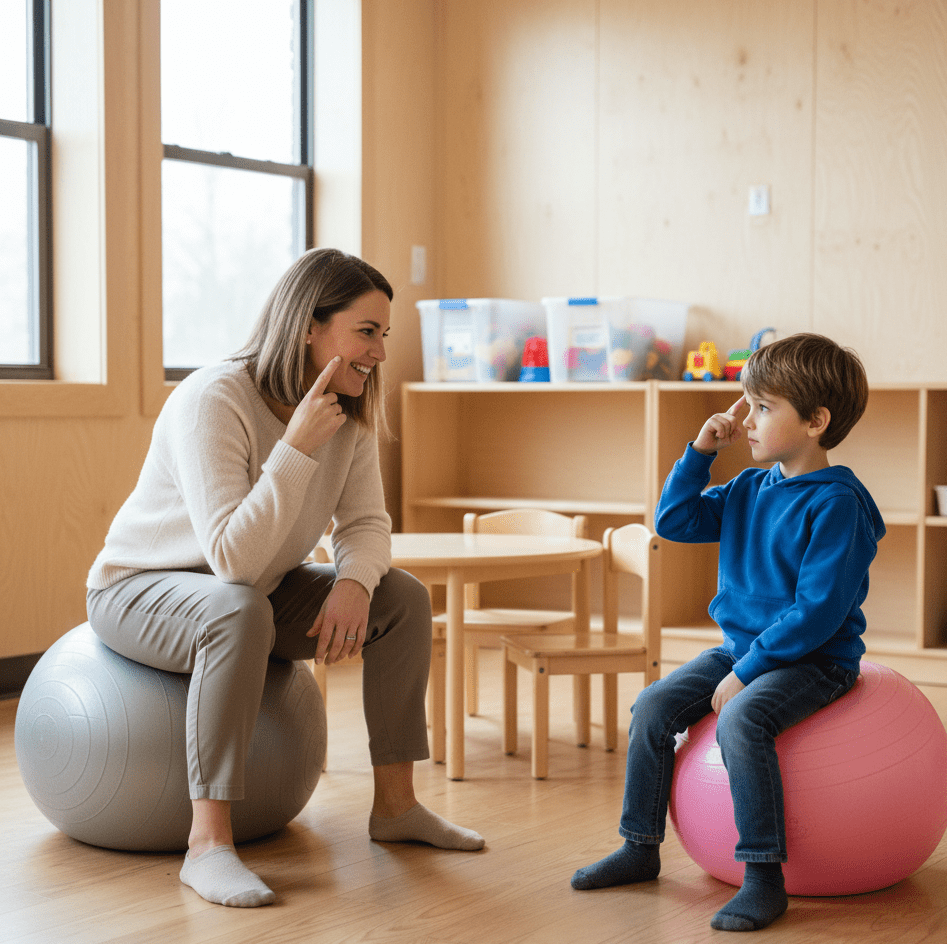
One of the primary benefits of play is its role in fostering communication skills. Many autistic children experience challenges with verbal and non-verbal communication. Play provides a safe and enjoyable environment where they can practice these skills at their own pace. Activities such as role-playing with dolls, engaging in interactive games, or using communication devices during playtime can help children express themselves more effectively.
Another key area where play has an impact is in social skill development. Many autistic children struggle with social interactions, such as sharing, turn-taking, and understanding others’ perspectives. Engaging in group play, whether through board games, structured playdates, or team-based activities, helps reinforce these critical skills. Programs such as the Ontario Autism Program (OAP) offer resources to support families in developing play-based learning strategies tailored to their child’s needs.
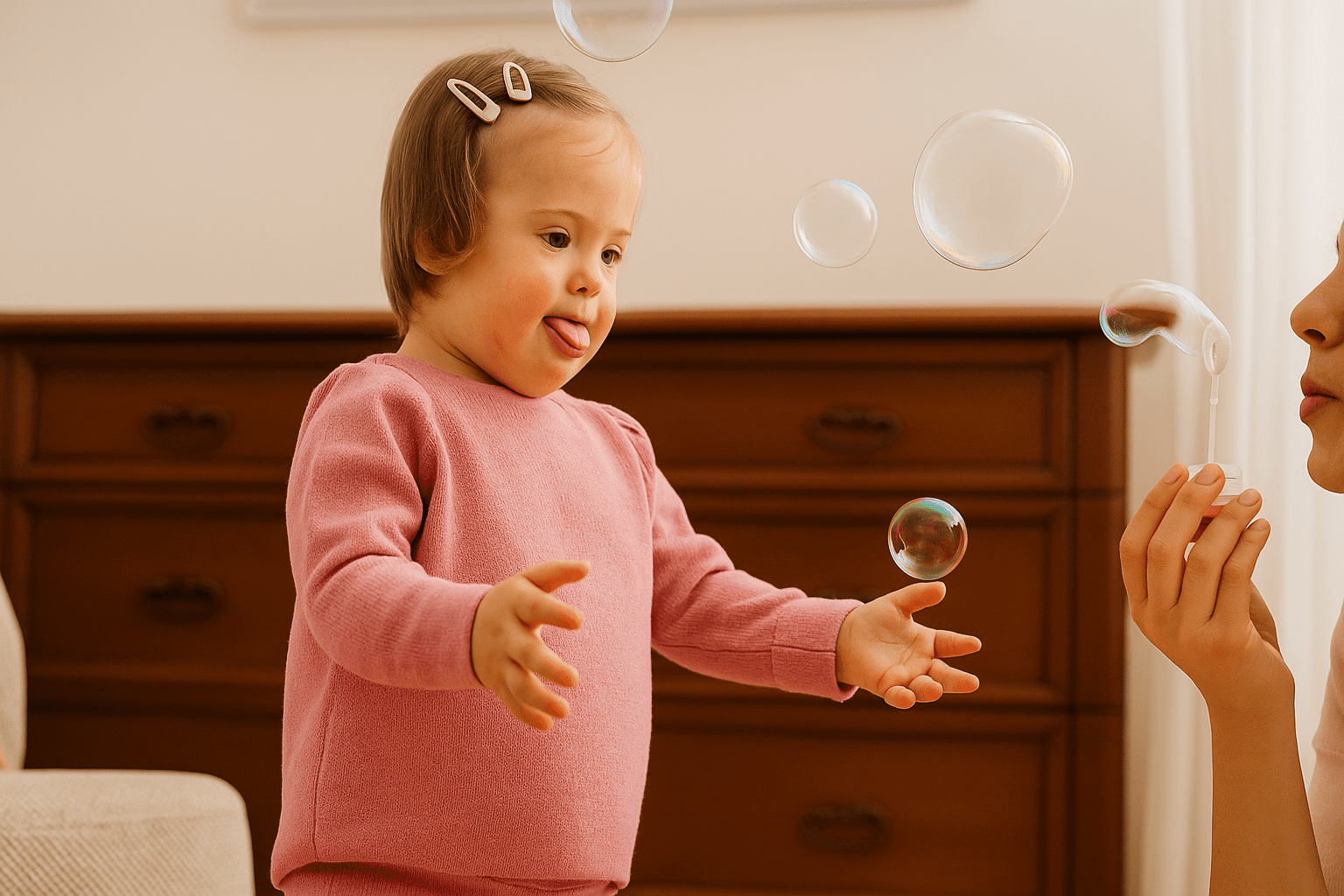
Additionally, play is vital for sensory processing and motor development. Many autistic children experience sensory sensitivities, which can make certain textures, sounds, or movements overwhelming. Sensory play—such as water play, kinetic sand, or using weighted blankets—can help children regulate their sensory experiences and build tolerance to different stimuli. Engaging in activities that involve jumping, climbing, or balance exercises can also improve coordination and motor skills, which are sometimes delayed in autistic children
Types of Play That Support Autism Development
While every child is unique, certain types of play have been particularly beneficial for children with autism. Parents and caregivers can introduce structured, semi-structured, and free-play opportunities to support their child’s growth.
- Sensory Play
Sensory play helps children regulate their sensory input, making them more comfortable with different textures, movements, and sounds. Activities such as playing with slime, exploring sensory bins filled with rice or beans, and engaging in water play can help autistic children process sensory information in a fun and manageable way. Parents can find great sensory play ideas through The Inspired Treehouse. - Imaginative Play
Pretend play can sometimes be challenging for autistic children, but it is an essential part of cognitive and social development. Activities such as playing with dolls, using action figures, or setting up a pretend store or restaurant can encourage creative thinking and social interaction. Using visual supports or social stories, which can be found at The Autism Helper, can make pretend play more accessible. - Structured Play
Some children with autism thrive in structured environments where there are clear rules and expectations. Board games, puzzle activities, and building blocks can help children practice turn-taking, patience, and logical thinking. Games such as UNO, Jenga, or matching games can be enjoyable while reinforcing these critical skills. - Physical Play
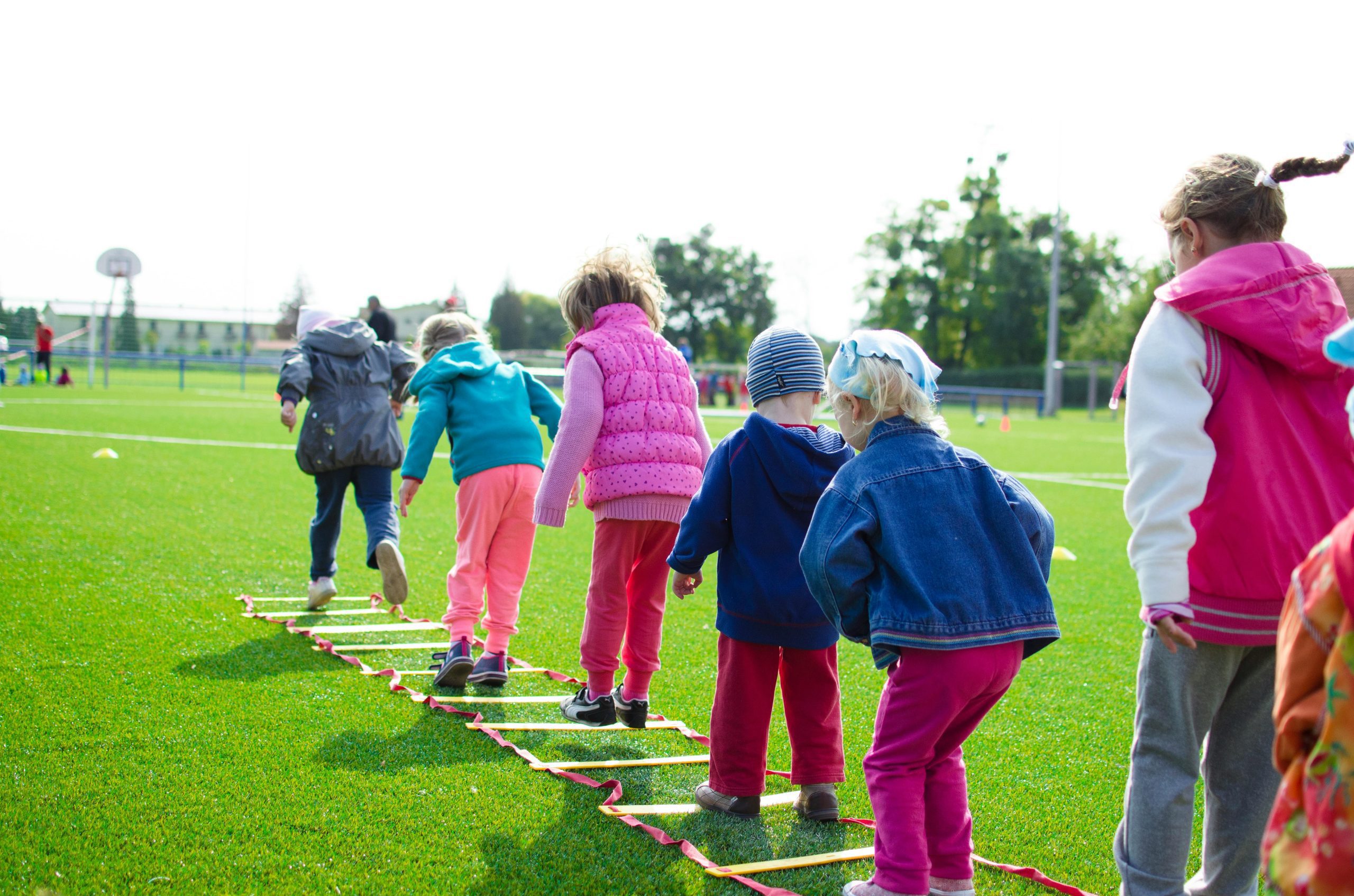
Physical activity is important for all children, but it can be especially beneficial for autistic children who need help with motor coordination and body awareness. Activities like trampolining, swinging, climbing, and obstacle courses provide both sensory input and exercise. Toronto has great options for inclusive play spaces, such as The Ability Centre and KidsPlay Toronto.
How Pathways Centre Incorporates Play in Therapy
At Pathways Centre in Burlington, we integrate play into our therapy programs to ensure children with autism have fun while developing crucial skills. Our approach includes:
- One-on-One Play-Based Therapy – Personalized sessions that cater to a child’s interests and strengths.
- Group Play Sessions – Small social groups that encourage peer interaction and teamwork.
- Sensory Play Areas – Dedicated spaces for sensory exploration and regulation.
- Parent Coaching – Guidance for parents on how to incorporate play at home to support their child’s development.
Join Pathways Centre Today!
Every child deserves a space where they can learn, grow, and thrive through play. At Pathways Centre, we offer specialized autism services that use play-based learning to support communication, social interaction, and motor development. If you’re looking for personalized, evidence-based autism support in Burlington and the Greater Toronto Area, we’re here to help.
🔹 Contact us today to book a consultation and discover how play can transform your child’s development!
🔹 Visit Pathways Centre for more information about our autism therapy programs!